
“How often a man believes he’s met an angel or a devil, only to find it is all an illusion. The game of chess we play… We play only against ourselves.” — Victor Frankenstein
When immortality becomes a curse and love turns into hubris..
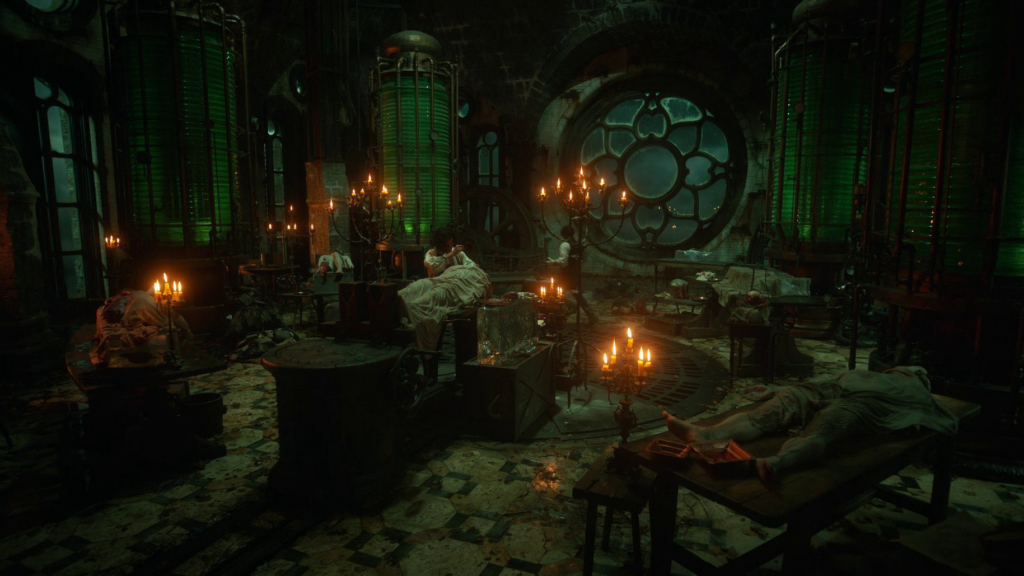
Guillermo del Toro’s Frankenstein (2025) is an emotional, philosophical reimagining of Mary Shelley’s novel; one that trades spectacle for conscience and terror for tenderness. Rather than retelling a familiar gothic myth, the film meditates on moral responsibility, grief, and the fragile meaning of life and death.
True to del Toro’s signature monster-humanism, reminiscent of Pan’s Labyrinth and The Shape of Water, the film invites us to reconsider what monstrosity truly means. Perhaps it is not the creature who is monstrous, but the gaze that refuses to understand difference. In this adaptation, monstrosity feels less like a physical condition and more like a social verdict, a failure of empathy imposed by those unwilling to look closer.
Spoilers ahead—
At its core, the film is driven by Victor Frankenstein’s obsession with the creation of life, a hubris born not from arrogance alone, but from love and grief. The loss of his beloved mother becomes the silent engine behind his pursuit of immortality, blinding him to the ethical weight of what he seeks to accomplish. Victor’s greatest failure, perhaps, is not in creating life, but in his inability to foresee what such creation demands in return: patience, understanding, and compassion.
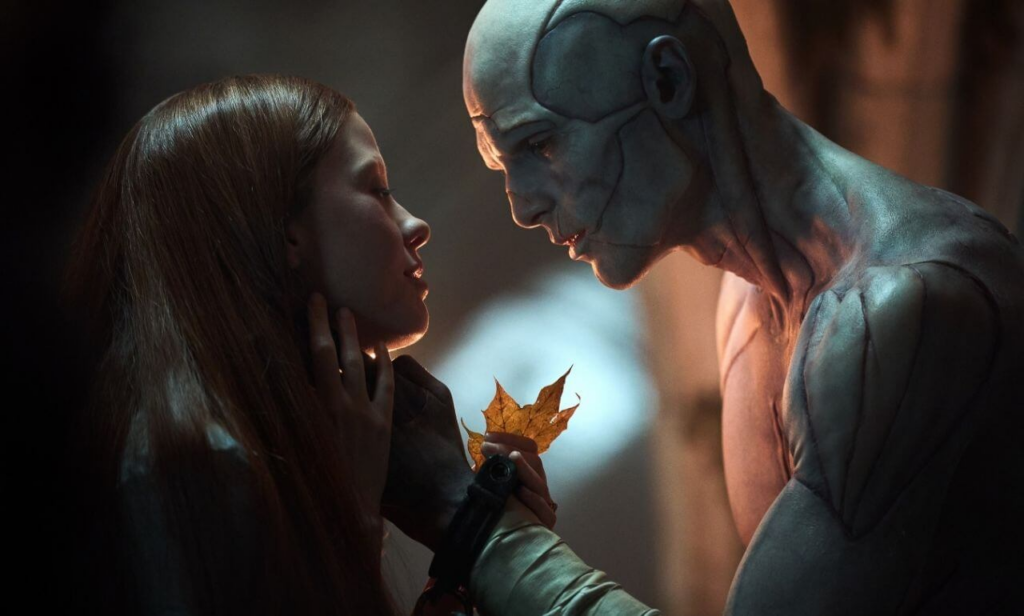
And yet it is the creature, Frankenstein’s creation, who carries the emotional heart of the film. Lonely, yearning, and profoundly human, he emerges as the most pitiful figure of all. Desiring nothing more than to be seen, to be loved, to belong, and yet all he touches inevitably turn to death. The small flame of warmth offered by Lady Elizabeth Harlander, William Frankenstein’s fiancée, the only person who had ever shown him love and acceptance, had her life ended much too soon.
“Forgive me. My son. And if you have it in your heart, forgive yourself into existence. If death is not to be, then consider this, my son. While you are alive, what recourse do you have but to live? Live. Say my name. My father gave me that name, and it meant nothing. Now I ask you to give it back to me… one last time. The way you said it at the beginning. When it meant the world to you.” — Victor Frankenstein
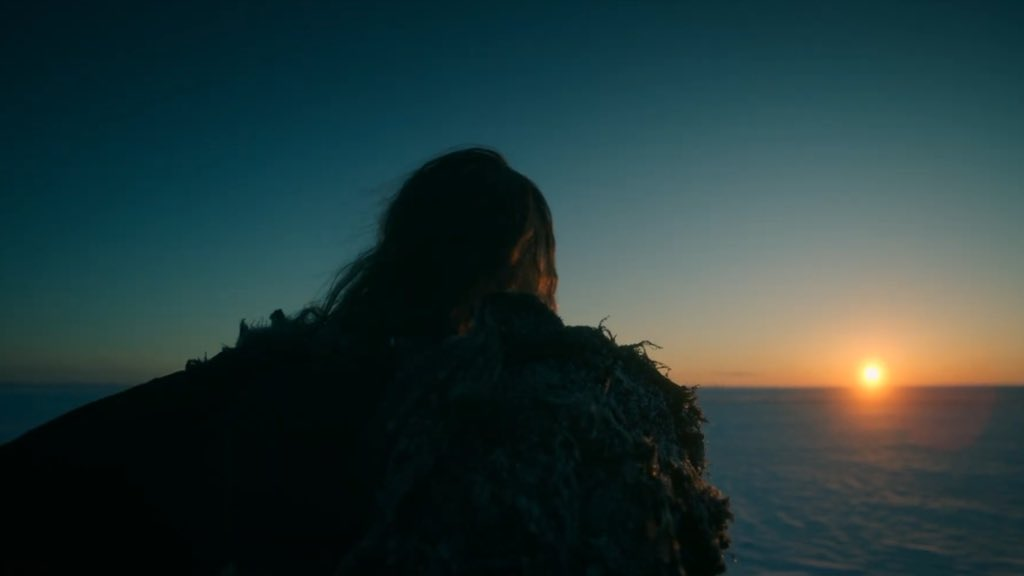
One of the most heart-wrenching moments unfolds at dawn, as the creature embraces self-acceptance, revealing a pure soul stitched together from the desecrated remnants of war, standing in the light, finally at peace with being.
“Victor. I forgive you. Rest now, Father. Perhaps now, we can both be human.” — Creature
By the end, Victor’s death feels less like redemption and more like release, an absolution that may or may not erase his sins. Meanwhile, the creature’s journey toward selfhood continues, unresolved yet deeply human. Life goes on, imperfect and unrepentant.
Visually, the film is steeped in gothic elegance: stark compositions, shadowed interiors, and a mournful beauty that lingers long after the screen fades to black. Anchored by haunting performances from Oscar Isaac, Jacob Elordi, and the ethereal Mia Goth, Frankenstein is not merely a tragic story about creation, but about love, grief, and forgiveness.